I took a work call at school pickup. Here’s what I did when I put the phone down.
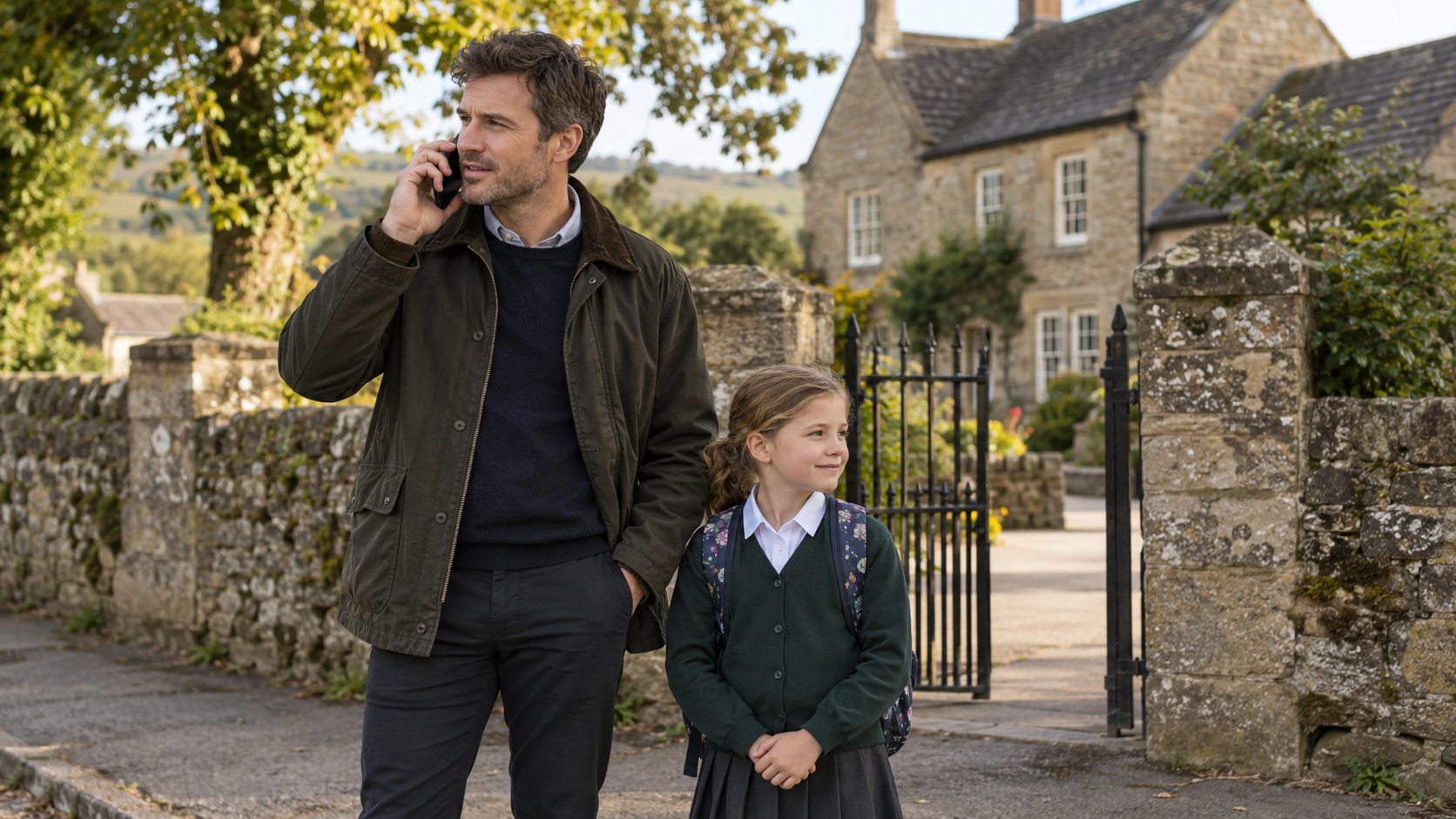
I try my hardest not to be on my phone when I’m with my daughter. But the working day is still in full swing at 3.30pm, and this week alone two clients have called just before pickup.
One of them I couldn’t call back later, because the conversation needed to happen then and there.
Do anyone else’s children look at you with that look that says really? I mouthed “sorry, two minutes” and pulled a silly face. She rolled her eyes, then found a friend to play with for 5 minutes.
When the call finished, the phone went straight in my bag. I thanked her for being so patient, crouched down for a proper hug, and asked about her day. I often ask a specific question, such as “Tell me what made you laugh the most today?”, because we all know “How was your day?” tends to get the same universal response: “Don’t know or OK.”
I try to avoid taking calls at pickup, but when you’ve waited for that call all day, or there’s an issue that really needs sorting, it’s sometimes unavoidable.
Running your own company, or even doing the school run while employed, can leave so many of us torn between greeting our children wholeheartedly and keeping work at bay. The guilt creeps in. Many working parents tell me they’re “fortunate” that work lets them do pickup at all, or that their manager turns a blind eye as long as they’re quick and always answer the phone.
So what can we do to soften the disappointment on those little faces? Mouthing an apology while you’re still on the call helps, and so does thanking them afterwards for waiting patiently. It works with really young children too. The trick is that they know they will get your undivided attention, even if it isn’t right this second.
It also helps to protect certain times and conversations from work. No phones at the dinner table is one example, or leaving your phone in another room after a certain time. I’ll be honest: running a company has meant I’ve been on and off my phone right into the evening some days, and it hasn’t always been avoidable. But an apology, an explanation, and a reassurance that it won’t always be like this can do more than we think.
Because when things aren’t perfect, how we repair them shows our children how to communicate and stay connected. That’s a lesson worth passing on.
Amy Wray - October 2026
